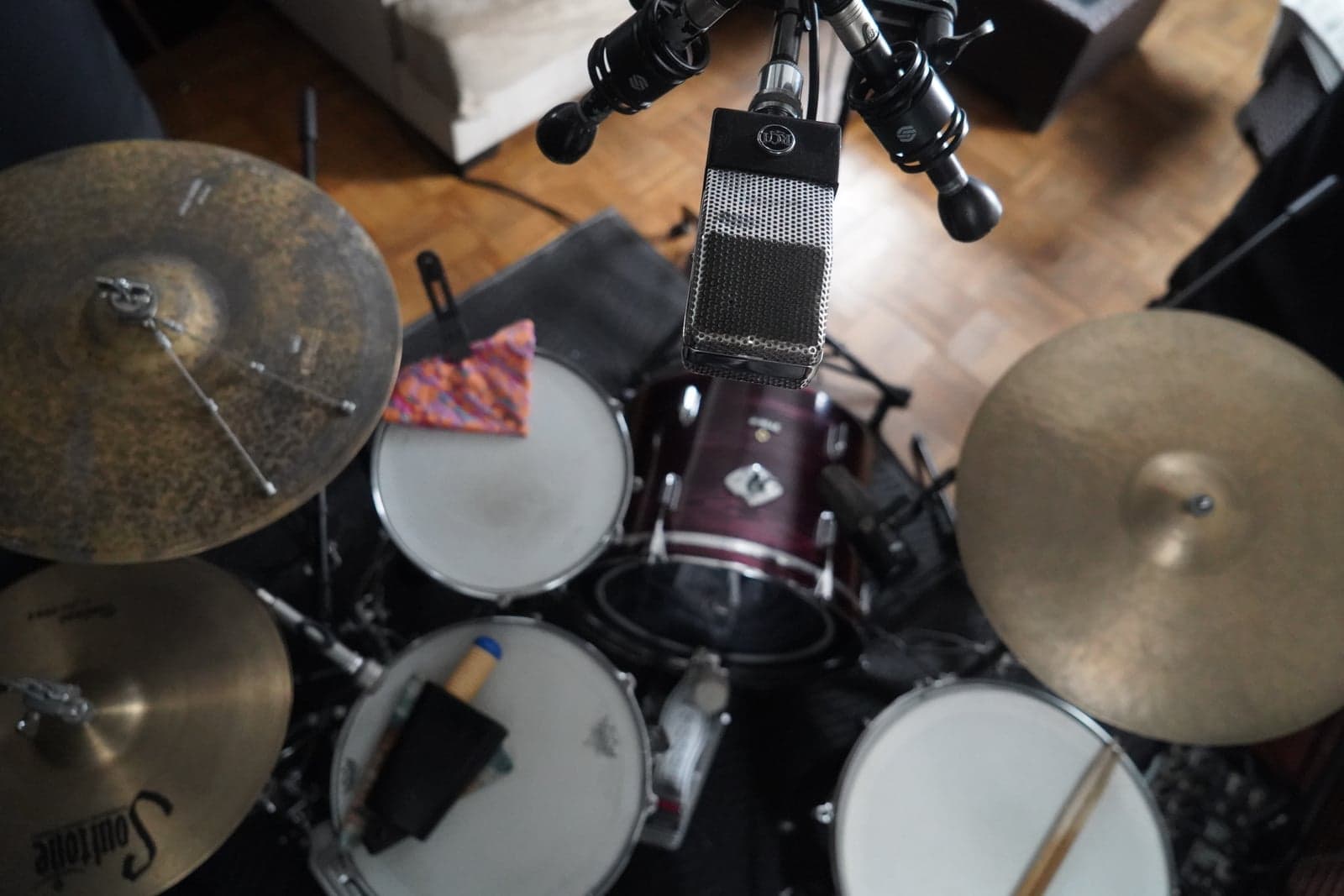
5 photos
Details reviewed · February 2026
Editorial selection
Beach House Studios
Long Beach, CA
Price: $75 per hour (2 hour minimum)
Clear hourly pricingCore recording essentials on-site
Budget-friendly sessionsQuick vocal tracking
Editorial guide
When you record in a studio, you're creating two distinct works: the underlying song and the sound recording. Understanding the difference is key to protecting your revenue.
Covers 2 studios: Beach House Studios, Secret Sisters Studios.
The 'PA' (Performing Arts) copyright covers the composition—the melody, lyrics, and arrangement. This is what songwriters and publishers care about. The 'SR' (Sound Recording) copyright covers the specific master file you create in the studio. In many indie sessions, the artist owns both, but if you have outside collaborators or session players, clear agreements are vital.
Most studio session players work as 'work-for-hire,' meaning they don't own a piece of the recording in exchange for their daily rate. However, you should always have a simple signed paper confirming this to avoid disputes if your song becomes a hit later.
LA studios often have legal referrals or templates they can share, but it’s your responsibility to register your finished masters with the U.S. Copyright Office. Doing this early provides the strongest legal protection for your work.
Remember: owning the 'master' doesn't automatically mean you own the 'publishing.' Keep these concepts separate in your mind and your contracts to ensure you're getting paid from every available royalty stream.
Work-for-hire arrangements deserve specific attention when recording in a commercial studio with session musicians or producers. If you hire a musician to play on your track, their performance is typically covered by a work-for-hire agreement, meaning you own the recording and they have no continuing claim to royalties from that performance. However, if a producer contributes creative elements like beats, chord progressions, or melodies, the situation is more complex and may require a split agreement that divides publishing rights. Always put arrangements like these in writing before recording begins, even if the conversation feels awkward. Fixing unclear ownership after a record is released is significantly more difficult and expensive than establishing clear agreements at the start.
Keep exploring
Use editorial guidance as starting point, then compare directory paths before contacting a studio.
It's a contract stating that a session player's contributions belong to the artist in exchange for payment, with no future royalty claims.
You are technically protected the moment you record, but formal registration is required if you ever need to sue for infringement.
Editorial shortlist
Editorial selection labels mark guide fit. Paid placements stay in their own section and never determine editorial inclusion.
Editorial selection
2 guide-fit studios
Long Beach, CA
Price: $75 per hour (2 hour minimum)
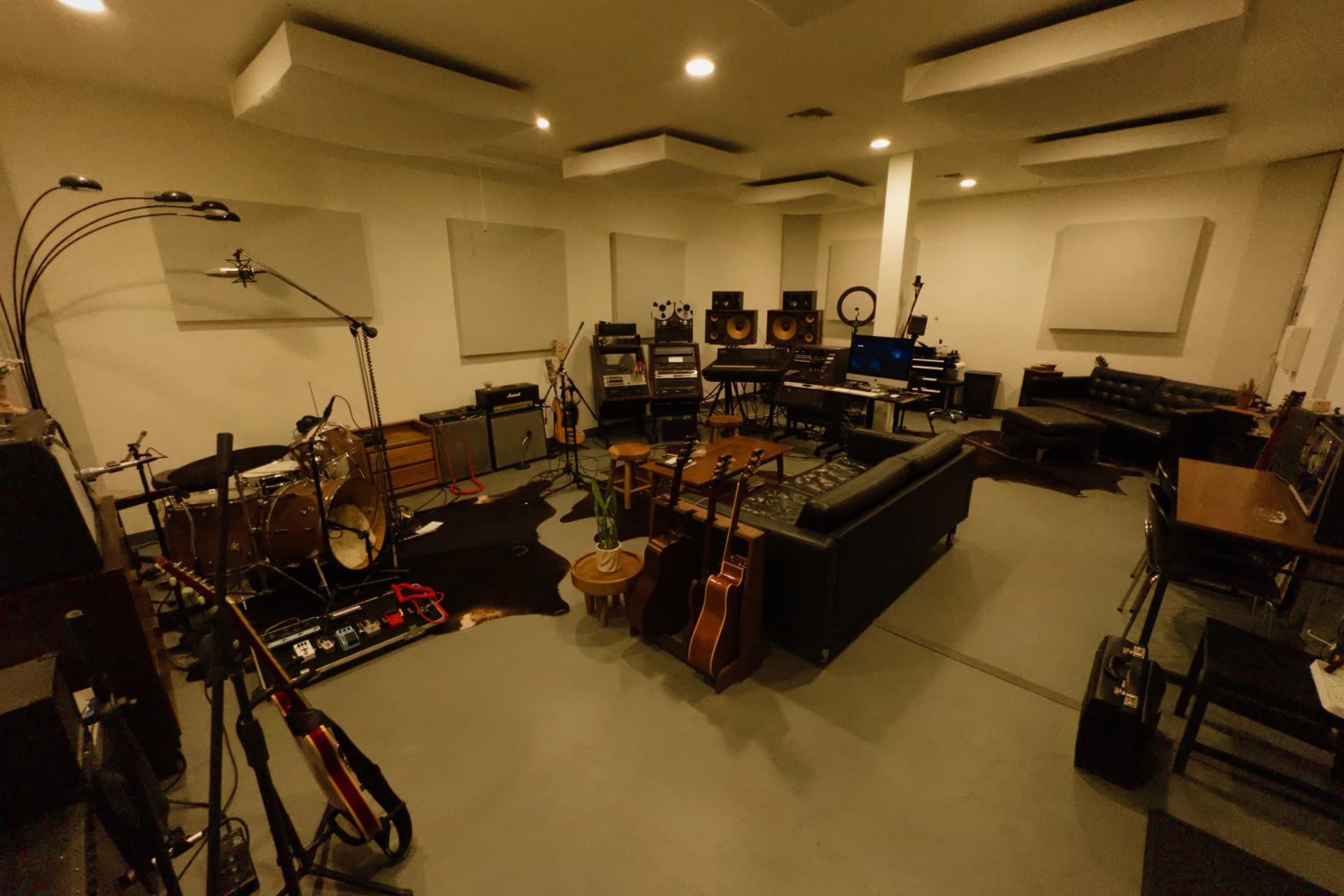
North Glendale, Los Angeles, CA
Price: $50 to $85 per hour
We use cookies to improve your experience and show personalized ads. By using our site, you agree to our use of cookies. Read our Privacy Policy to learn more.